
How to Choose the Best Hair Colour for Your Skin Tone
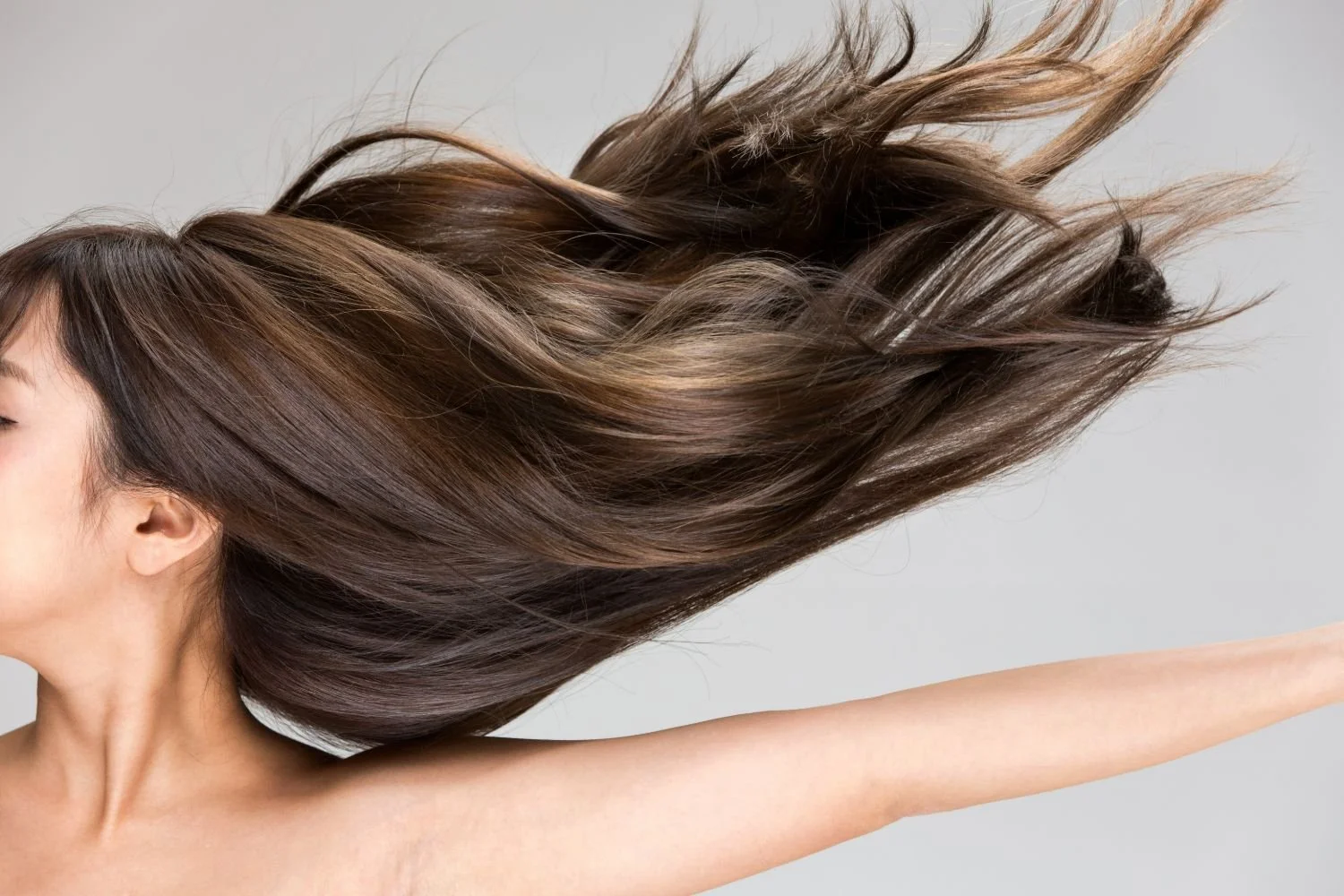
Professional hair colour consultation to find the best hair colour for your skin tone at Novum Hair & Beauty in Tarvin, Chester
How to Choose the Best Hair Colour for Your Skin Tone
Have you ever saved a photograph of a hair colour you absolutely love, only to wonder whether it would actually look the same on you?
Perhaps you've tried a beautiful blonde that somehow left you feeling washed out. Maybe a brunette looked richer or darker than you expected. Or perhaps the hair colour you've worn for years suddenly doesn't seem to flatter you in quite the same way.
Often, the difference isn't simply the colour.
It's the tone.
Choosing a hair colour that complements your skin tone, eye colour and natural colouring can make an enormous difference to the finished result. The right tones can brighten your complexion, enhance your eyes and make your whole colour feel more naturally you.
At Novum Hair & Beauty in Tarvin, Chester, we believe professional hair colour should always begin with a proper consultation.
Because finding your perfect colour isn't about choosing the most popular blonde, brunette or copper.
It's about finding your blonde, your brunette or your copper.
Why Does Your Skin Tone Matter When Choosing Hair Colour?
Your skin has both a visible surface colour and an underlying tone, usually referred to as your undertone.
Undertones are generally described as:
Warm
Cool
Neutral
Understanding this can help your colourist identify shades that complement your complexion rather than fight against it.
But there's an important point here.
Choosing the best hair colour for your skin tone isn't as simple as following a chart.
Your eye colour, natural hair colour, depth of colouring, contrast between your features, existing colour and even the amount of grey in your hair can all influence what will look most flattering.
That's why two people with apparently similar skin tones may look completely different in exactly the same hair colour.
What Hair Colours Suit Warm Skin Tones?
If you have warm undertones, colours containing warmth can often work beautifully with your complexion.
Depending on your individual colouring, these might include:
For blondes:
Honey blonde, golden blonde, caramel, warm beige and buttery tones.
For brunettes:
Chocolate, chestnut, caramel, mocha and warmer dimensional browns.
For reds and coppers:
Copper, auburn, cinnamon and richer warm reds can be particularly striking.
But having warm skin doesn't mean every warm shade will automatically suit you.
The depth and intensity of that warmth matters too.
A very golden blonde may overwhelm one complexion while a softer beige-gold looks beautiful. Likewise, a rich copper may be perfect for one person while another looks better with just a hint of copper woven through their existing colour.
What Hair Colours Suit Cool Skin Tones?
Cooler undertones can often be complemented beautifully by hair colours with cooler or more neutral tones.
These might include:
For blondes:
Ash blonde, pearl, icy blonde, cool beige and champagne tones.
For brunettes:
Cool chocolate, espresso, ash brown and neutral brunette shades.
For reds:
Depending on your colouring, cooler reds, berry tones and deeper auburn shades can work beautifully.
Again, this isn't about following a rigid rule.
Sometimes introducing a little warmth into cooler colouring creates exactly the contrast needed to make someone's complexion and eyes come alive.
The skill lies in finding the balance.
What Hair Colours Suit Neutral Skin Tones?
If your undertones are fairly neutral, you may be able to wear a wider spectrum of both warm and cool hair colours.
That doesn't mean everything will suit you equally, though.
Your natural depth, eyes and overall level of contrast still matter.
A professional colourist might combine warmer and cooler shades to create a multidimensional colour rather than using one flat tone throughout.
And this is where techniques such as balayage, highlights, lowlights, root shadows, toners and glosses give us so much freedom.
Your entire head of hair doesn't have to be one colour or one tone.
How Do I Know Whether My Skin Tone Is Warm, Cool or Neutral?
You may have seen various tests online involving the colour of your veins or whether you prefer gold or silver jewellery.
These can provide clues, but they're not foolproof.
For example, you may naturally gravitate towards gold jewellery because you simply prefer it — not because you're warm toned.
Similarly, surface redness, tanning, makeup and lighting can make judging your own undertone surprisingly difficult.
That's why we prefer to look at the whole picture.
At a professional hair colour consultation, we'll consider how different tones interact with your skin, eyes and natural colouring rather than relying on one test.
Your Eye Colour Matters Too
Skin tone is only one part of choosing flattering hair colour.
Your eyes can provide another important clue.
Subtle golden or caramel tones may pick up warm flecks in hazel or brown eyes. Cooler blondes and brunettes can beautifully enhance blue or grey eyes. Copper can make certain green eyes look incredibly vivid.
But again, there is no universal formula.
The aim isn't to match your hair to your eyes. It's to create harmony between your hair, skin and features.
What About Seasonal Colour Analysis?
You may have heard people describe themselves as a Spring, Summer, Autumn or Winter.
Seasonal colour analysis looks at several aspects of your natural colouring, including whether you're predominantly warm or cool, light or deep, bright or muted.
It can be incredibly useful when thinking about the colours you wear — and those same principles can also help inform your hair colour.
For example, someone whose colouring is soft and muted may feel overwhelmed by an extremely high-contrast hair colour, while someone with naturally strong contrast may carry a much bolder shade beautifully.
However, we don't believe your season should become another set of rules.
It's another useful piece of information that can help us understand why certain colours make you look brighter and others don't feel quite right.
And ultimately, your hair colour still needs to work with your personality, lifestyle and what you actually like.
Does Your Ideal Hair Colour Change As You Get Older?
It certainly can — and this is something many clients notice.
The colour that looked fantastic on you ten or fifteen years ago may suddenly feel a little too dark, too harsh or simply not quite right.
Our natural colouring changes over time. Skin can change in tone, hair begins to grey and the level of contrast between our hair, skin and features can alter.
That doesn't mean you suddenly need to go blonde or stop having the colour you've always loved.
Sometimes the answer is much more subtle.
Your colourist might recommend:
Softening the depth around your face
Introducing slightly lighter pieces
Adjusting a warm or cool tone
Blending rather than completely covering grey
Adding dimension with highlights or balayage
Using a toner or gloss to alter the overall tone
Gradually transitioning your colour as your natural hair changes
Often, a small adjustment can make a surprisingly big difference.
Should You Cover Grey Hair or Blend It?
There's no right answer.
Some clients want complete grey coverage. Others want to soften or blend their greys so the regrowth feels less noticeable. And increasingly, some people want to work with their natural silver rather than hide it.
Your skin tone and natural colouring can help us decide which approach might be most flattering, but your lifestyle matters just as much.
If you don't want to visit the salon frequently, for example, a softer grey-blending approach may suit you better than a colour that creates a strong regrowth line.
At Novum, we don't believe everyone should approach grey hair in the same way.
Your colour should work for your life as well as your complexion.
Balayage, Highlights or All-Over Colour – Which Is Best for Your Skin Tone?
There isn't one technique that's best for a particular skin tone.
It's how we use the technique that matters.
Balayage
Balayage allows us to place lighter and darker tones strategically through your hair.
That can be particularly useful when we want to introduce flattering tones around your face while keeping your natural depth elsewhere.
Highlights
Highlights can be warm, cool, bright, soft, fine or more dimensional.
Changing their placement and tone can completely alter the overall effect.
Root Colour and Grey Coverage
Your root formula can be individually created to provide complete coverage, softer blending or a more natural transition depending on your needs.
Toners and Glosses
Never underestimate what changing the tone can do.
Sometimes you don't need more highlights or a completely new colour. A carefully selected toner or gloss can change unwanted warmth, introduce softness, enhance your existing shade and restore beautiful shine.
All-Over Colour
Permanent or demi-permanent colour can create beautiful richness and depth, but choosing the right formulation and tone is particularly important when colour sits close to your face.
Why Professional Hair Colour Is Different
Professional colouring gives your stylist something a box of colour simply can't: choice and control.
At Novum, we work with Wella Professionals, including Koleston Perfect, Illumina Colour, Colour Touch and Shinefinity.
Rather than selecting one ready-made shade, our stylists can formulate your colour according to your natural base, existing colour, grey percentage, underlying pigment and desired result.
We can also use different formulations and techniques on different areas of your hair.
That's why we describe professional colour as an artist's palette.
The goal isn't simply to make your hair lighter, darker or cover your greys.
It's to create a result that looks beautiful on you.
What If You Don't Know What Hair Colour Suits You?
Then don't worry.
You really don't need to arrive at your appointment knowing whether you need an ash level 8, caramel balayage, demi-permanent brunette or a particular toner.
That's what your colourist is there for.
Photographs can be really useful because they help us understand what you're drawn to. But rather than simply copying a photograph, we'll look at what elements of that colour could work for you.
We'll also consider your:
Skin tone and undertone
Eye colour
Natural hair colour
Existing colour and colour history
Percentage of grey
Hair condition
Lifestyle
Budget
Desired maintenance
Long-term hair goals
Then we can create a colour plan that's realistic, flattering and manageable.
Professional Hair Colour in Tarvin, Chester
If you're looking for professional hair colouring in Tarvin, Chester, our colour specialists at Novum Hair & Beauty offer personalised colour consultations and a wide range of professional Wella colour services.
Whether you're considering balayage, highlights, grey coverage, brunette colour, blonde hair, copper hair, toning, glossing or a complete colour change, we'll help you understand what will work best for your hair and your individual colouring.
And if you've spent hours searching online for “what hair colour suits me?”, you don't need to work it out alone.
Sometimes a professional pair of eyes is exactly what you need.
Book Your Complimentary Hair Colour Consultation
If your current colour doesn't feel quite right anymore, you're thinking about making a change or you simply want to know which colours could suit you best, start with a complimentary colour consultation at Novum Hair & Beauty, Tarvin.
We'll talk through your ideas, assess your hair and help you create a colour that's designed around you.
BOOK YOUR COMPLIMENTARY COLOUR CONSULTATION
Already know exactly what you want?
BOOK YOUR NEXT HAIR APPOINTMENT
FAQs: Choosing the Best Hair Colour for Your Skin Tone
How do I know what hair colour suits my skin tone?
Start by considering whether your undertone is predominantly warm, cool or neutral, but don't rely on this alone. Your eye colour, natural hair colour, depth, contrast and existing colour can all influence which shades will be most flattering. A professional colour consultation can help identify the best combination for you.
What hair colour makes you look younger?
There isn't one hair colour that makes everyone look younger. A colour that complements your complexion and avoids overly harsh contrast can often make the skin appear brighter and softer. This might involve changing the tone, adding dimension or softening the colour around your face rather than simply going lighter.
What hair colour is best for warm skin tones?
Warm skin tones can often be complemented by honey, golden and caramel blondes, warm chocolate and chestnut brunettes, and copper or auburn shades. The exact depth and intensity should be tailored to your individual colouring.
What hair colour is best for cool skin tones?
Cooler complexions can often suit ash, pearl, champagne and cool beige blondes as well as espresso, ash brown and cooler brunette shades. However, introducing carefully placed warmth can sometimes be very flattering too.
Can I have balayage if I have grey hair?
Yes. Depending on your hair and desired result, balayage, highlights and other dimensional colour techniques can sometimes be incorporated into a grey-blending strategy. Your colourist can advise whether blending or full grey coverage is more appropriate for you.
Should my hair colour change as I get older?
Not necessarily, but your natural colouring can change over time. If a shade you've worn for years suddenly feels too dark or harsh, adjusting the depth, warmth, contrast or placement may make it feel much more flattering without completely changing your look.
Can a toner change whether my hair colour suits me?
Absolutely. Tone can make an enormous difference. A professional toner or gloss can adjust warmth or coolness and sometimes transform how an existing blonde, brunette or highlighted colour works with your complexion without requiring a major colour service.
Where can I get a hair colour consultation near Chester?
Novum Hair & Beauty in Tarvin, Chester offers complimentary professional hair colour consultations. Your stylist can assess your existing hair, discuss your goals and recommend suitable colours, techniques and maintenance options.